Vented vs Non-Vented Custom Hard Hats: Which to Order
the right shell for heat or voltage.
Choose vented custom hard hats for hot, dry work with no electrical exposure, and non-vented hard hats whenever a crew works near energized lines or needs a Class E or Class G shell. getcustomhardhats.com prints your logo on both styles, and one order can mix them, so each crew gets the right shell with the same company branding.
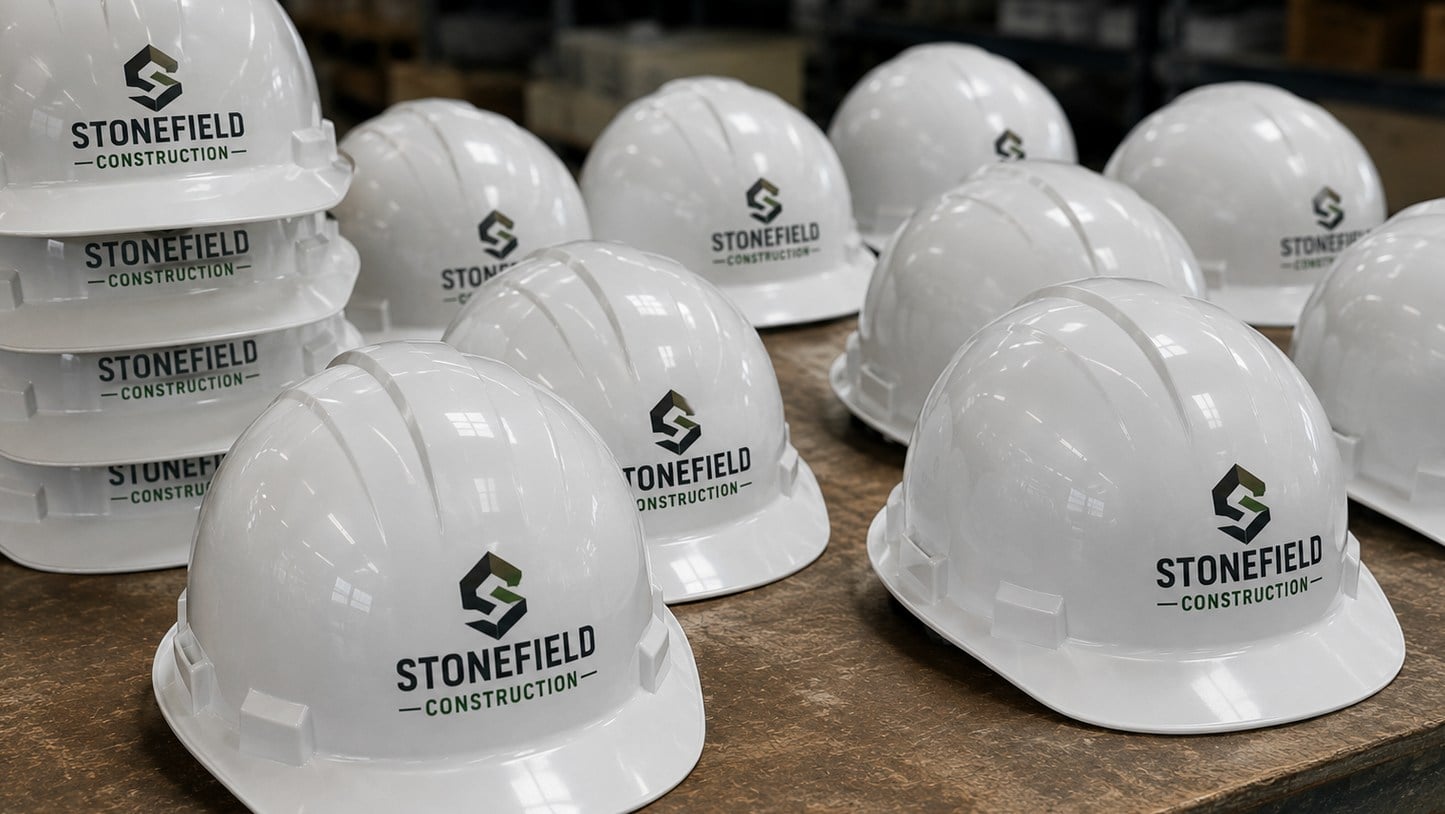
Where vented and non-vented custom hard hats each fit.
Summer road and paving crews
Vented hard hats let heat escape on open asphalt jobs where no one works near live electrical equipment.
Electrical and utility crews
Non-vented Class E hard hats are the standard pick for linemen, electricians and anyone near energized conductors.
Framing and general building
Vented shells suit framers and laborers on dry sites, while the electrical sub on the same job wears non-vented hats.
Warehouses and plant floors
Non-vented Class G hard hats cover general plant work where low-voltage contact is possible and splashes happen.
Landscaping and tree work
Vented hard hats keep grounds crews cooler during long outdoor shifts, as long as no overhead lines are in reach.
Mixed-trade general contractors
One branded order can split vented and non-vented shells by trade so every crew wears the same logo.

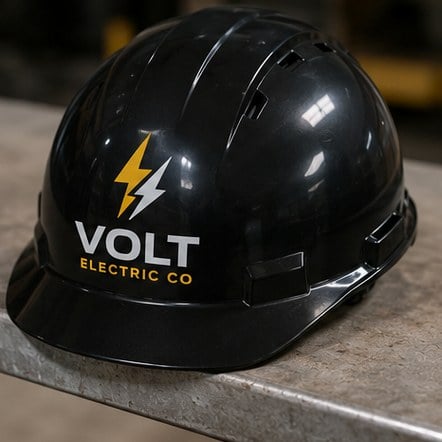
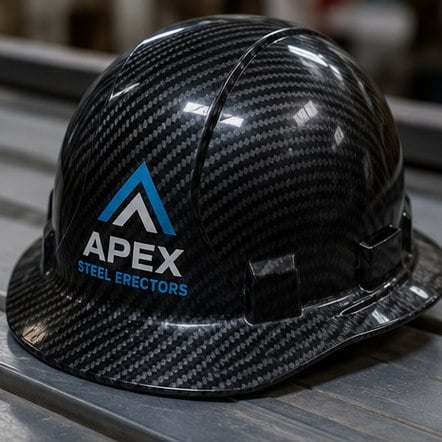
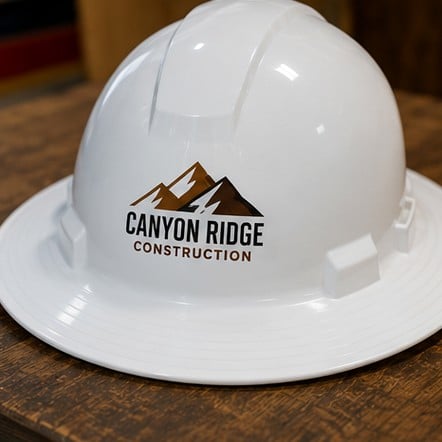
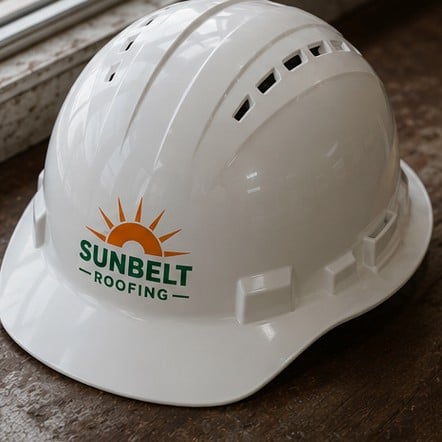
One logo, two shells, matched to the hazard.
Most companies do not need to pick one style for everyone. getcustomhardhats.com lets you order vented hard hats for crews that fight heat and non-vented hard hats for crews near electrical hazards, with the same logo, colors and layout on both, so the whole workforce looks like one company.
- Vented and non-vented shells in one order
- Matching logo placement on both styles
- Free mockup and unlimited revisions before you pay
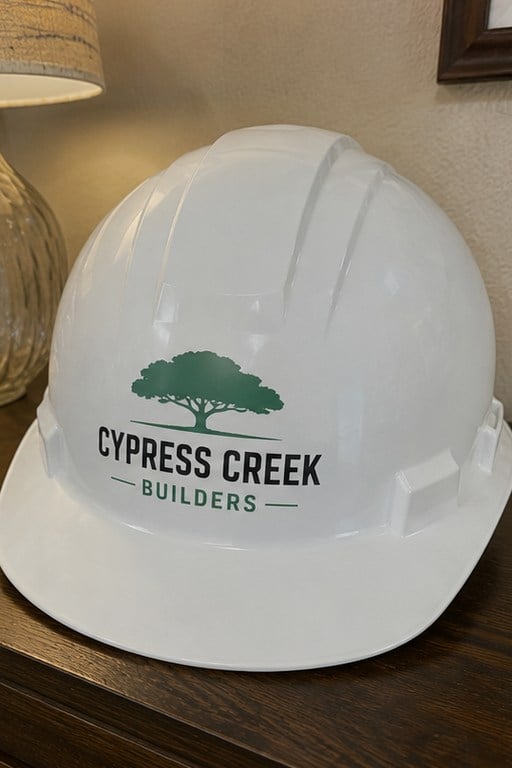
Custom vented and non-vented hard hats, side by side.
Styles
Vented and non-vented shells in cap-style and full-brim options, so each crew can pick ventilation and brim coverage separately.
Branding
Company logo on the front of both styles, with names or crew titles placed on the back or sides around any vents.
Quantities
Minimum of 12 hard hats, and a single order can split the total between vented and non-vented shells.
Timing
Free mockup within 24 hours and about 2 weeks for standard production, with faster delivery through express shipping.
What is the difference between vented and non-vented hard hats?
The difference between vented and non-vented hard hats is a set of openings in the shell. Vented hard hats have slots near the crown that let hot air escape, while non-vented hard hats have a solid shell. That single design choice changes comfort, electrical rating and where your logo can go on a custom order from getcustomhardhats.com.
Both styles protect against falling objects in the same basic way, and both come in cap-style and full-brim shapes. The vents themselves are the trade-off: openings that move air also let electricity, water and debris reach the head. That is why the electrical class of the hard hat, not just comfort, should decide which style a crew wears.
| Factor | Vented hard hats | Non-vented hard hats |
|---|---|---|
| Airflow | Openings release trapped heat | Solid shell, warmer in summer |
| Electrical class | Generally Class C, no electrical protection | Available as Class E or Class G |
| Rain and splashes | Water can enter through vents | Sheds water and splashes |
| Logo space | Front panel, smaller side areas | Full front, sides and back |
| Best for | Hot, dry sites with no electrical hazard | Electrical work, plants, wet conditions |
Are vented hard hats safe for electrical work?
Vented hard hats are not suitable for electrical work. Because the openings break the insulating shell, vented hard hats are generally rated Class C, which means they offer no protection against contact with electrical conductors. Any crew working near energized lines, panels or equipment should wear a non-vented hard hat rated Class E or Class G.
Class E hard hats are the choice for electricians, utility linemen and anyone working near higher-voltage equipment. Class G hard hats cover general work where incidental contact with low-voltage conductors is possible, which includes many plant floors and maintenance roles. Neither rating is possible on a vented shell.
When you order from getcustomhardhats.com, the mockup confirms the style and class for each group in the order, so the electrical crew does not end up with vented shells by mistake. If your company already has an electrical safety program, match the hard hat class to what that program specifies.
- Class E: non-vented, for work near higher-voltage hazards.
- Class G: non-vented, for general work with possible low-voltage contact.
- Class C: typically vented, comfort-focused, no electrical protection.
When are vented custom hard hats the better choice?
Vented custom hard hats are the better choice for outdoor crews working in heat on sites with no electrical exposure. Road builders, paving crews, framers, landscapers and many general laborers spend long days in direct sun, and a vented shell lets trapped heat escape from the top of the head instead of building up under the suspension.
Comfort matters for compliance. A hard hat that feels hot and heavy gets pushed back, tilted up or taken off during breaks and not put back on. Workers who are comfortable keep the hard hat on, which is the whole point of buying one. Vented shells also pair well with sweatbands and wide brims for crews who work through the hottest part of the year.
Vented hard hats are a weaker fit for jobs with overhead power lines, wet or splash-prone work, or sites where sparks, fine debris or drips could fall through the openings. Look at the full day on the job, not just the temperature, before choosing vented for a whole crew.
When should a crew choose non-vented hard hats instead?
A crew should choose non-vented hard hats whenever electrical hazards are present, when work is wet or messy, or when one style needs to cover every role. Non-vented shells can carry a Class E or Class G rating, shed rain and splashes, and keep overhead drips and debris out, which makes them the safer default for mixed or uncertain conditions.
Non-vented hard hats suit electricians, utility crews, HVAC technicians working near equipment, plant and manufacturing staff, and anyone doing concrete or wet work. They are also the simpler choice for visitor hard hats, because a company rarely knows exactly where a visitor will walk.
- List every task the crew performs in a normal week.
- Mark any task near energized equipment or overhead lines.
- If any task is marked, choose non-vented Class E or Class G for that crew.
- If none are marked and heat is the main complaint, consider vented shells.
Do vents change where a logo can be printed on a hard hat?
Vents do change where a logo can be printed on a custom hard hat. The front panel of most vented shells is still open and works well for a company logo, but the vent slots cut into the side areas, so side and back artwork has less clean space than on a non-vented shell.
Non-vented hard hats give you a smooth surface on the front, both sides and the back, which is useful if you want a logo on the front, a crew name on one side and a safety message on the back. Vented hard hats still handle a front logo plus a name or short message, but long text and wide side graphics usually need to be resized or moved.
getcustomhardhats.com plans the artwork around the vents and shows the exact placement in the free mockup within 24 hours. If you order both styles, ask for a matching layout so the logo sits in the same spot on every shell and the crew looks consistent from across the site.
Can one custom hard hat order include both vented and non-vented shells?
One custom hard hat order can include both vented and non-vented shells. getcustomhardhats.com lets you split the order by crew, so framers get vented hats and the electrical team gets non-vented Class E hats, all with the same company logo. The minimum of 12 applies to the order, and the mockup shows each style before anything is produced.
Splitting the order this way is common for general contractors, facility managers and companies with both field and plant staff. It keeps branding consistent while matching each shell to the hazard. Many buyers also use shell color to separate roles, with the logo staying the same across every style.
- Tell us how many of each style, color and class you need.
- Send one logo file; it is adapted to both shell shapes.
- Approve one mockup that shows every version in the order.
- Production takes about 2 weeks, with express shipping available if the start date is close.
You pay nothing until you approve the design, and revisions are unlimited, so it is easy to adjust the split after the crew leads weigh in.
Which should a first-time buyer order: vented or non-vented?
A first-time buyer who is unsure should order non-vented hard hats, then add vented hard hats for specific crews once the hazards are clear. Non-vented shells cover electrical, wet and general work, so they are rarely the wrong choice. Vented shells are a comfort upgrade for crews that are confirmed to work away from electrical hazards.
The verdict is simple. Choose vented for hot, dry jobs where no one works near energized equipment. Choose non-vented for everything else, and for any crew whose daily tasks you cannot fully predict. If your company has both kinds of work, order both styles in one run with the same logo.
Request a quote from getcustomhardhats.com with the number of each style, the colors you want and your logo file. You will get a free mockup within 24 hours, and standard production is about 2 weeks after approval.
From your logo to delivered hard hats in four steps.
Send your artwork
Upload your logo or describe the idea and tell us the quantity you have in mind.
Get a free mockup
A designer returns a mockup of your hard hats with the artwork in place. Unlimited free revisions.
Approve the design
Nothing is produced until you approve the mockup, and you pay nothing before that.
Receive your order
Standard production is about two weeks after approval; faster turnaround is available with express shipping.
Custom hard hats for crews choosing vented or non-vented shells, answered.
Can a vented hard hat be rated Class E?
A vented hard hat cannot be rated Class E, because the openings in the shell break the insulation that electrical protection depends on. Vented shells are generally Class C. If any part of a crew's work involves energized lines or equipment, order non-vented Class E hard hats for that crew, and keep vented shells for jobs with no electrical exposure at all.
Do vented hard hats actually feel cooler on hot job sites?
Vented hard hats feel cooler for most workers because the openings let warm air escape from the crown instead of trapping it under the shell. The difference is most noticeable on long outdoor shifts in direct sun. Pairing a vented shell with a sweatband or a full brim adds comfort, which helps crews keep their hard hats on all day.
Will rain come through the vents of a custom hard hat?
Rain can come through the vents of a custom hard hat, since the openings that release heat also let water in. Crews who work through wet seasons or on splash-prone tasks such as concrete pours are usually better served by non-vented shells. getcustomhardhats.com can supply both styles so wet-weather crews and dry-site crews each get a suitable hat.
Is a non-vented hard hat too hot for summer work?
A non-vented hard hat is warmer than a vented one, but most crews still wear them comfortably through summer with a sweatband, a breathable suspension and regular breaks in the shade. For electrical crews, the non-vented shell is not optional. A lighter shell color also reflects more sunlight than a dark one, which helps on hot outdoor jobs.
How do I tell vented and non-vented hard hats apart on a busy site?
Vented and non-vented hard hats look similar from a distance, so many companies use shell color to separate them, for example one color for the electrical crew. getcustomhardhats.com can print the same logo on different shell colors, and a printed crew name or role on the back makes it easy for supervisors to confirm who is wearing which style.
Are vented hard hats a good choice for visitors and site tours?
Vented hard hats are usually not the best choice for visitors, because a company cannot always predict where a guest will walk or what overhead hazards they will pass. Non-vented visitor hard hats are the safer default. getcustomhardhats.com can print visitor hats in a distinct color with your logo, so guests are easy to spot on site.
Can sparks or debris fall through hard hat vents?
Sparks, drips and fine debris can reach the head through hard hat vents, which is a reason to avoid vented shells for overhead welding, grinding, demolition and similar work. Non-vented hard hats keep the crown sealed. If one crew does overhead hot work and another does open-air labor, order non-vented shells for the first and vented shells for the second.
Does a vented hard hat protect the head as well as a non-vented one?
A vented hard hat is built to protect against falling objects just like a non-vented hard hat of the same type, and both are available as Type I or Type II shells. The main difference is electrical protection and sealing against water and debris, not basic impact protection. Check the label inside each shell for its type and class.
Can I get vented hard hats in a full-brim style?
Vented hard hats are available in full-brim styles as well as cap-style, so crews can combine airflow with shade over the ears and neck. getcustomhardhats.com prints your logo on vented full-brim shells, and the mockup shows how the artwork fits between the vents. Full-brim vented hats are popular with road, landscaping and framing crews.
Should my electrical subcontractors wear the same hard hats as my framing crew?
Electrical subcontractors should not wear the same vented hard hats as a framing crew, but they can wear matching branded non-vented shells. A general contractor can order both styles from getcustomhardhats.com with the same logo, so everyone on site carries the company brand while the electrical team gets the Class E protection its work requires.
Can I switch a crew from vented to non-vented hard hats on a reorder?
A crew can switch from vented to non-vented hard hats on any reorder, and the existing logo artwork carries over with small placement adjustments. getcustomhardhats.com sends a new mockup within 24 hours showing the logo on the solid shell. Switching makes sense when a crew takes on electrical work, wet work or overhead hot work it did not do before.
Is there a minimum for each style when an order mixes vented and non-vented hard hats?
An order that mixes vented and non-vented hard hats needs a total of at least 12 hard hats, and the quote confirms how the styles can be split. Tell getcustomhardhats.com how many of each style, color and class you need, and the mockup will show every version. You pay nothing until you approve the design.
Do vented hard hats work with earmuffs and face shields?
Vented hard hats generally accept the same slot-mounted earmuffs and face shields as non-vented shells of a similar design, since accessories attach at the side slots rather than the vents. Confirm compatibility for the exact model in your quote request. Adding accessories does not change the vented shell's electrical class, which remains Class C.
What is the best hard hat style for a crew that splits time between indoor and outdoor work?
A non-vented hard hat is the best style for a crew that splits time between indoor and outdoor work, because the crew's hazards change from day to day. Non-vented shells cover electrical, wet and general conditions. getcustomhardhats.com can print your logo on a light-colored non-vented shell to help with heat on the outdoor days.
How does getcustomhardhats.com confirm the right style before production?
getcustomhardhats.com confirms the right hard hat style by listing each version in the free mockup, including vented or non-vented, color, shell shape and logo placement. You review the mockup within 24 hours of sending your request, ask for unlimited revisions if needed, and nothing goes to production until you approve it. Standard production then takes about 2 weeks.
Ready to see your hard hats with your logo?
Free mockup within 24 hours. Minimum order 12. Standard turnaround about 2 weeks, faster available. You pay nothing until you approve the design.