Hard Hats vs Bump Caps: Which Should Your Crew Wear?
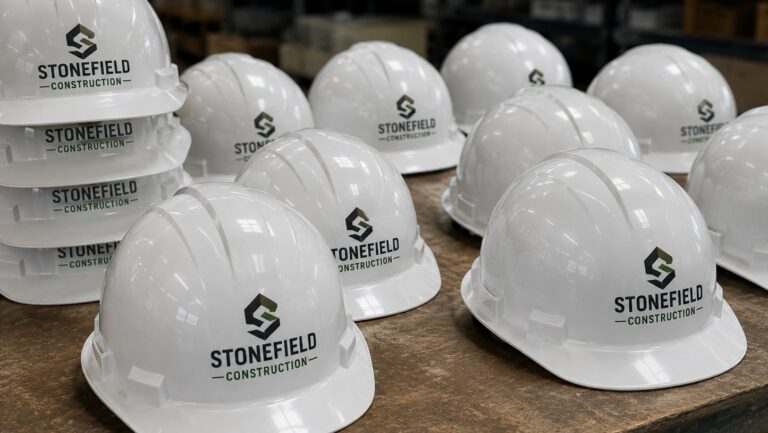
Choose hard hats whenever a crew faces falling objects, moving equipment or electrical exposure, and choose bump caps only where the sole risk is bumping into fixed objects. getcustomhardhats.com prints your logo on both, so one company can outfit every area with the right protection and one consistent look, starting from a minimum of 12 hard hats or bump caps.

- Hard hats are rated head protection; bump caps are not a substitute for them
- Bump caps suit low-clearance areas with no overhead hazards
- One order can include both products with the same logo
- Free mockup within 24 hours, minimum order 12
- Standard turnaround about 2 weeks after approval
What is the difference between a hard hat and a bump cap?
The difference between a hard hat and a bump cap comes down to what each one is built to stop. Hard hats are rated head protection designed to absorb the force of falling objects and, in many classes, to resist electrical contact. Bump caps are lightweight protective shells, usually built into a baseball-cap style, that guard against bumps, scrapes and minor knocks from fixed objects at head height.
That single distinction drives every other decision. A hard hat has a rigid shell and a suspension that holds the shell away from the head, so impact energy is spread out before it reaches the wearer. A bump cap sits closer to the head with a thin protective insert under fabric, which makes it comfortable for long shifts but not a substitute for a rated helmet.
Because the two look different, buyers sometimes treat the choice as a style preference. It is not. The hazard on the floor decides which one a worker may wear, and branding comes second. getcustomhardhats.com prints logos on both, so a company can keep one consistent look across crews that need different levels of protection.
- Hard hats: for overhead hazards, falling objects and, with the right class, electrical exposure
- Bump caps: for low clearances, tight spaces and fixed obstructions only
- Both: can carry your company logo, and can be part of one branded order
When does a crew need hard hats instead of bump caps?
A crew needs hard hats instead of bump caps any time there is a chance of something falling from above, of being struck by moving equipment, or of contact with energized electrical parts. If a hazard assessment lists overhead work, cranes, scaffolding, racking with stored loads or live electrical equipment, the answer is a rated hard hat, not a bump cap.
Construction sites are the clearest case. Framing, steel erection, roofing, concrete and demolition crews all work under or around overhead activity, and bump caps simply are not designed for that. The same applies to oil and gas, mining, utilities and most heavy industrial settings, which is why getcustomhardhats.com has dedicated pages for crews like construction crews and industrial and manufacturing teams.
Electrical exposure is the other deciding factor. Crews near energized lines or panels need a hard hat with the correct electrical class, and a bump cap offers no rated dielectric protection. For those teams, start with the electricians page and confirm the class before you pick a color or logo.
When in doubt, the safety manager’s hazard assessment is the final word. Branding decisions should never push a crew into lighter head protection than the job requires.
Where do custom bump caps make more sense than hard hats?
Custom bump caps make more sense than hard hats in workplaces where the only head hazard is bumping into something fixed, such as low ducts, pipes, shelving, vehicle undercarriages or machine frames, and where nothing can fall from above. In those settings a bump cap is lighter, cooler and more comfortable over a full shift, so workers are more likely to keep it on.
Typical bump cap environments include:
- Automotive service bays and quick-lube pits where techs work under vehicles
- Food processing and packaging lines with low guards and conveyors
- Warehouse picking areas with fixed low shelving and no overhead loads
- Facility maintenance in crawl spaces, plenums and mechanical rooms
- Aircraft, rail and fleet maintenance where techs duck under frames
A branded bump cap also reads as part of a uniform. Because most bump caps follow a baseball-cap shape, a logo on the front panel looks like company apparel rather than safety gear, which suits customer-facing service teams. getcustomhardhats.com offers custom bump caps with the same free mockup process used for hard hats.
The test is simple: if a hazard assessment ever mentions overhead work or falling objects in that area, the bump cap is the wrong choice there, no matter how comfortable it is.
How do hard hats and bump caps compare side by side?
Hard hats and bump caps compare most clearly on protection, comfort, branding area and where each belongs on a site. The table below summarizes the differences buyers ask about most often when planning a branded order with getcustomhardhats.com.
| Factor | Custom hard hats | Custom bump caps |
|---|---|---|
| Main purpose | Falling objects, impact and, by class, electrical exposure | Bumps and scrapes against fixed objects |
| Rated head protection | Yes, built to a recognized hard hat standard | No, not a substitute for a hard hat |
| Typical look | Cap style, full brim, vented, cowboy or carbon fiber shells | Baseball-cap style with a protective insert |
| Weight and comfort | Heavier, with an adjustable suspension | Light and close-fitting, cooler indoors |
| Logo area | Front, sides and back of a smooth shell | Front panel, sometimes sides and back of the cap |
| Accessory slots | Often available for earmuffs and face shields | Usually none |
| Best fit | Construction, utilities, oil and gas, mining, heavy industry | Service bays, food lines, warehouses, maintenance |
| Minimum order | 12 | 12 |
The row that matters most is rated protection. Every other row is about comfort and branding, and those only become relevant once the hazard question is settled.
Can one company order both custom hard hats and bump caps?
One company can absolutely order both custom hard hats and bump caps, and many do. A manufacturer might put hard hats on crews working near cranes and racking while maintenance techs and line workers wear bump caps in areas with only fixed obstructions. getcustomhardhats.com can mockup both products with the same logo so the brand looks consistent everywhere.
A mixed order works best when it is planned by area rather than by job title. Map the facility or project into zones, note the head hazard in each, and count heads per zone. That gives you an honest split between hard hats and bump caps, and it keeps the safety manager in control of who wears what.
Visual separation helps too. Some companies choose different shell colors for hard hats and a contrasting cap color for bump caps so supervisors can see at a glance that nobody wearing a bump cap has wandered into an overhead work zone. If your site already follows a color system, keep it and let the logo carry the brand.
- List each work area and its head hazard
- Assign hard hats or bump caps to each area
- Count workers, visitors and spares per area
- Send one quote request covering both products
- Review the mockups side by side before approving
How does logo printing differ on hard hats and bump caps?
Logo printing differs on hard hats and bump caps because the surfaces are different. A hard hat has a smooth, curved plastic shell, so logos are printed directly onto the front, sides or back. A bump cap is usually fabric over a protective insert, so the logo goes on the front panel of the cap, much like branded headwear.
On hard hats, the curve of the shell and the location of vents or accessory slots shape where a logo can go. A front logo with a name or crew number on the back is a common layout, and full-brim shells give a little more room around the crown. The company logo page shows the placements most crews choose.
On bump caps, the front panel is the hero position. Simple, bold logos read best, and fine details or very small text can get lost on a textured cap. If your logo is wide, a stacked or icon-only version often fits a cap front better than the full horizontal mark.
Either way, getcustomhardhats.com sends a free mockup within 24 hours of receiving your artwork, with unlimited free revisions. You see exactly how the logo sits on each product before anything is produced, and you pay nothing until you approve the design.
What should you check before ordering hard hats or bump caps for your crew?
Before ordering hard hats or bump caps for your crew, check the hazard assessment, the electrical class where it applies, the shell or cap style, the logo placement and the date the crew needs the gear. Getting those five items settled first makes the quote accurate and keeps the mockup round short.
- Hazard by area: confirm which zones require rated hard hats and which allow bump caps
- Electrical class: for hard hats near energized equipment, confirm the class before choosing a vented shell
- Style: cap style, full brim, vented, cowboy or carbon fiber for hard hats; cap shape and color for bump caps
- Branding: front logo, side marks, back names or crew numbers
- Timing: standard turnaround is about 2 weeks after mockup approval, with faster turnaround available with express shipping
Comfort deserves a word as well. Workers who find their head protection uncomfortable tend to push it back, take it off in hot areas or swap it for something lighter. Choosing a vented hard hat where the class allows, or a bump cap where the hazard truly allows, is often the most practical safety improvement a company can make.
Once those decisions are made, send the details through the quote form. The minimum order is 12, and one request can cover both products.
Is it worth branding bump caps if you already have custom hard hats?
Branding bump caps is worth it if part of your workforce never needs a hard hat but still represents the company on the floor or in front of customers. A plain bump cap does the safety job, but a branded one ties service techs, line workers and maintenance staff into the same identity your hard-hat crews already carry.
The benefit shows up in a few places. Customers at a service counter or loading dock see a consistent brand. New hires feel like part of the team from day one. And supervisors can spot company staff quickly in a shared facility where contractors and visitors move around.
The cost drivers for bump caps are similar to hard hats: quantity, number of print locations, logo colors and any personalization such as names. There are no hidden setup surprises in the quote, and getcustomhardhats.com explains the options before you commit. For a full picture of how ordering works, read the how it works page, then request a quote with your counts for each product.
If you are planning a facility-wide refresh, consider timing it with an event like a safety stand-down, so the new hard hats and bump caps roll out together with a clear message about which belongs where.
Frequently asked questions
Can a bump cap be worn on a construction site instead of a hard hat?
Bump caps are not a replacement for hard hats on a construction site where anything can fall from above or where workers move near heavy equipment. A bump cap only protects against minor knocks on fixed objects. Construction crews should wear rated hard hats, and getcustomhardhats.com can brand them with the same logo used on any bump caps your shop or yard staff wear.
Are custom bump caps suitable for automotive service technicians?
Custom bump caps suit automotive service technicians well, because most head contact in a service bay comes from vehicle frames, lifts and undercarriages rather than falling objects. The cap shape is light and cool enough to wear all day. A logo on the front panel also makes techs easy to identify for customers walking through the shop.
Can hard hats and bump caps share the same logo mockup?
Hard hats and bump caps can share the same logo, but each product gets its own mockup because the print surfaces differ. getcustomhardhats.com shows how the mark sits on a curved shell and on a cap front, then you approve both. Seeing them together helps confirm the logo size and colors look consistent across the two products.
Do bump caps come in high-visibility colors?
Bump caps are commonly offered in bright and high-visibility colors as well as darker uniform shades, depending on the style chosen. Ask about color options in your quote request so getcustomhardhats.com can confirm what is available for your quantity. Pick a color that contrasts with your logo so the branding stays readable from across a warehouse or service bay.
Should warehouse workers wear hard hats or bump caps?
Warehouse workers should wear hard hats in any area with high racking, stored overhead loads or forklifts lifting pallets above head height. Bump caps fit only zones with low fixed shelving and nothing overhead. Many warehouses use both, mapped by aisle or area, and getcustomhardhats.com can supply branded versions of each in one order.
Can I add worker names to custom bump caps?
Custom bump caps can carry worker names, usually on the back or side of the cap, while the company logo stays on the front panel. Send a clean list of names with your artwork and getcustomhardhats.com will include them in the mockup for review. Check spelling carefully before approval, since each name is produced exactly as approved.
Is a bump cap cooler to wear than a hard hat?
A bump cap is generally cooler and lighter to wear than a hard hat because it sits closer to the head and often uses breathable fabric. That comfort is the main reason workers like them. Comfort never outranks the hazard, though, so bump caps belong only in areas where a rated hard hat is not required.
Can visitors to a plant wear bump caps instead of hard hats?
Plant visitors should wear whatever the area requires, which means hard hats on any tour route that passes overhead work, cranes or high racking. Bump caps can work for visitors only in zones with fixed low obstructions. getcustomhardhats.com can brand visitor hard hats in a distinct color so guests are easy to spot on the floor.
Do bump caps have slots for earmuffs or face shields?
Bump caps usually do not have accessory slots for earmuffs or face shields the way many hard hats do. Workers who need hearing or face protection with a bump cap typically use standalone earmuffs or safety glasses. If attached accessories matter for a crew, a slotted hard hat from getcustomhardhats.com is the more practical choice.
How long does a mixed hard hat and bump cap order take?
A mixed hard hat and bump cap order follows the same timeline as a single-product order. getcustomhardhats.com sends free mockups within 24 hours of receiving your artwork, and standard turnaround is about 2 weeks after you approve them. Faster turnaround is available with express shipping when a project start date is close.
What is the minimum order for custom bump caps?
The minimum order for custom bump caps at getcustomhardhats.com is 12, the same as for custom hard hats. A company can place one order that includes both products, as long as each product meets its own minimum. Spares for new hires and replacements are worth counting in from the start so a second small order is not needed.
Get a free mockup for your hard hats
Send your logo or idea and the quantity you have in mind. getcustomhardhats.com returns a free mockup within 24 hours, you approve the design before anything is produced, and standard turnaround is about two weeks with faster options available. Get a custom quote.