Before you brand a single helmet, you need the right one — and hard hats are not all the same. Understanding hard hat types and classes ensures the helmets you order actually protect your crew for the hazards they face. Once you know the hard hat types and electrical classes, choosing a custom helmet is simple. This guide breaks down the two impact types, the three electrical classes, and how to brand them without compromising safety.
Type I vs Type II
The first split is about where impact protection comes from. Type I guards against blows to the top of the head — the classic falling-object hazard. Type II adds lateral protection against side impacts, which matters in oil and gas, utilities, and anywhere a worker could strike their head sideways.
The Three Electrical Classes
The second split is electrical protection, and it is critical to match it to the job.
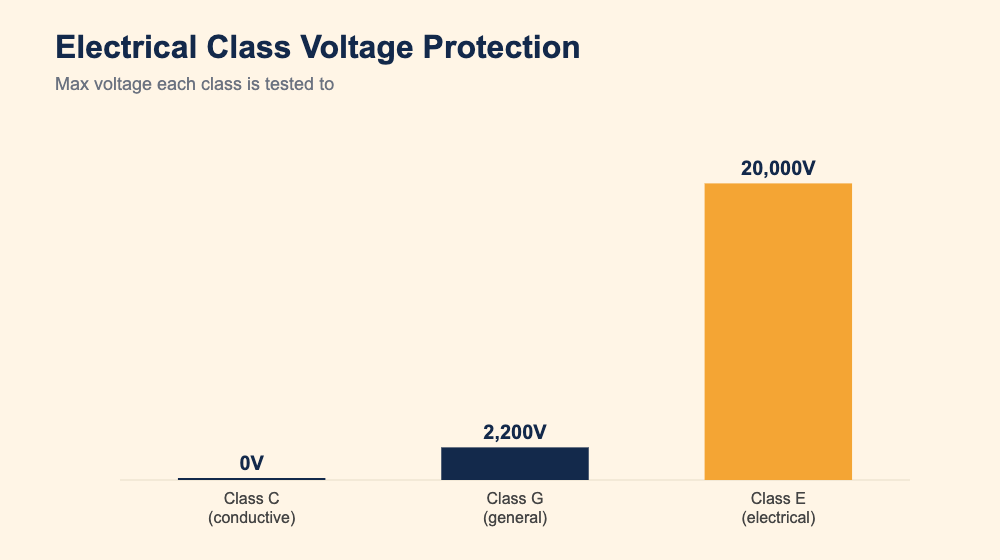
| Class | Protection | Use it for |
|---|---|---|
| Class C | Conductive — no electrical protection | Comfort, ventilation, no electrical risk |
| Class G | General, up to 2,200V | General construction |
| Class E | Electrical, up to 20,000V | Utility and electrical work |
Class C hats often have vents for airflow — great for hot sites, but never for electrical work, since the vents conduct.
Branding Without Compromising Safety
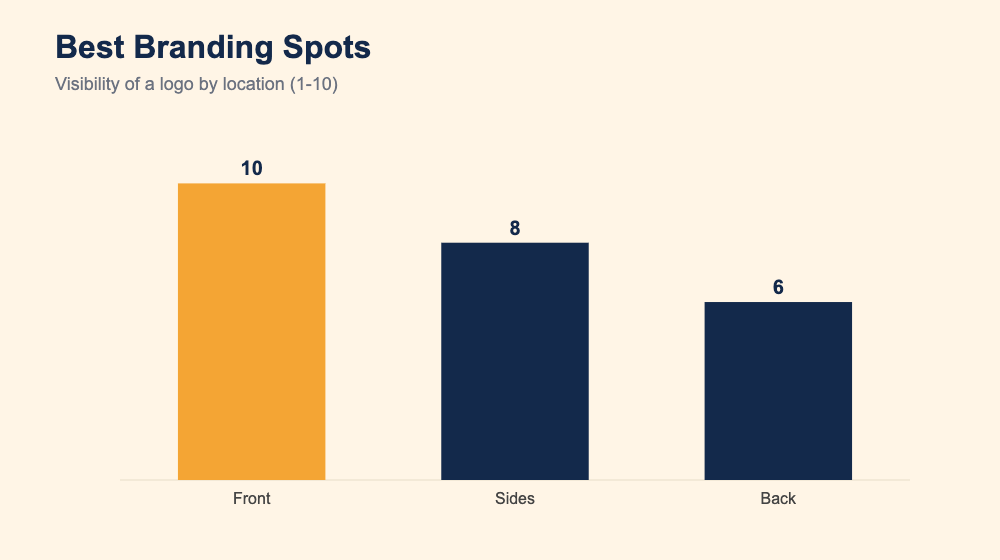
Custom hard hats are prime branding real estate, and done right, decoration does not affect the shell’s protection. The front is the most visible spot for a logo; sides and back add reinforcement.
Use manufacturer-approved adhesive decals or pad printing rather than anything that drills or heats the shell. Never modify the shell itself — stickers and printing are fine, holes and solvents are not.
Choose the Right Hat, Then Brand It
Get the hard hat types and class right for your hazards first — Type II and Class E where the risks demand it — then add front-and-center branding with approved methods. Tell us your crew’s needs and logo and we will send a quote with free mockups.